Updated
A useful plumbing inspection answers a defined question. You might be investigating recurring leaks, planning a renovation or organizing maintenance for a property. Tell the plumber which outcome matters so the agreed inspection covers the right systems.
Need help with your property? Book routine service.
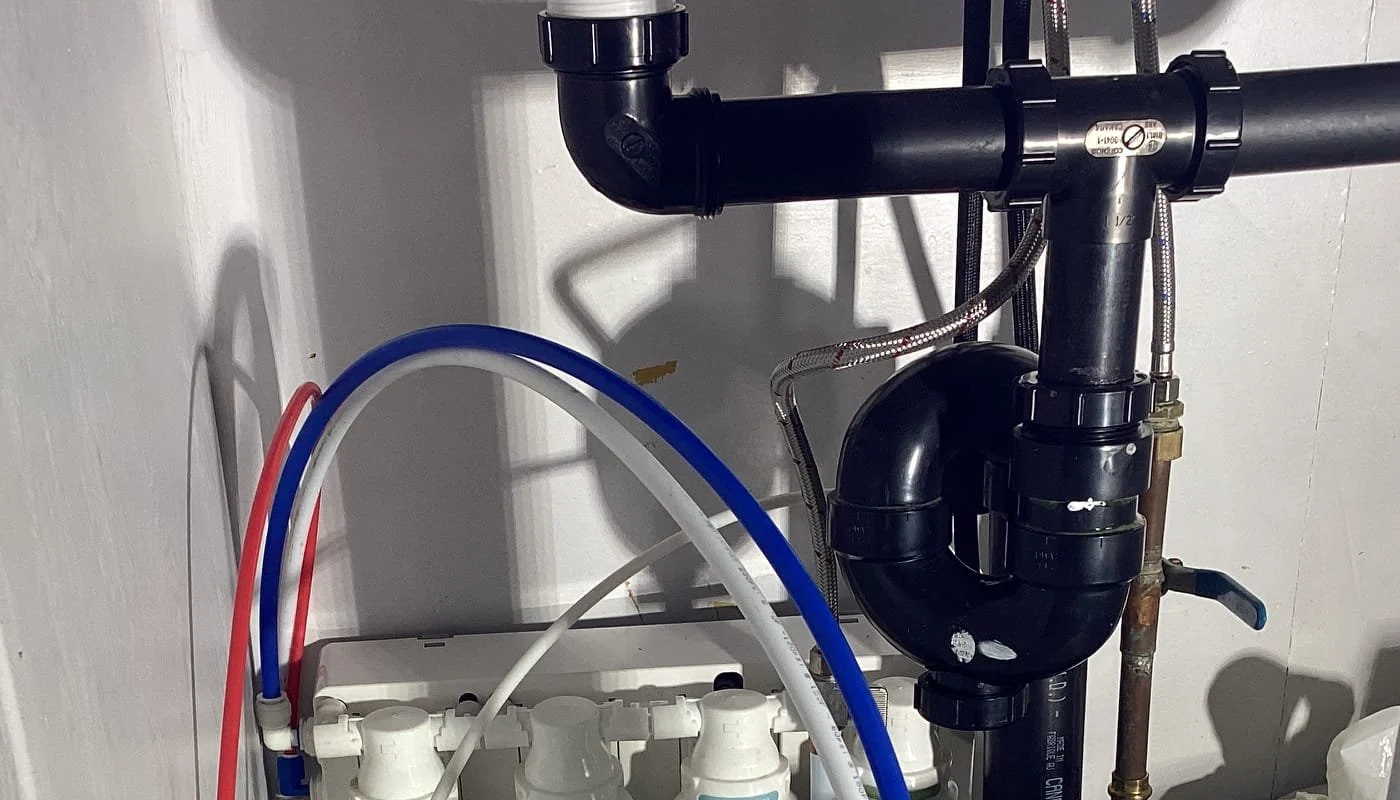
Define what is included
List the fixtures, exposed piping, water heater, pumps and treatment equipment you want reviewed. Mention any symptom that prompted the request. A visual condition review, a sewer-camera visit and a specific performance test are different scopes.
Prepare access and history
Open a route to the relevant equipment and clear under-sink cupboards. Share previous repair records, inspection reports and equipment models. Explain restrictions on water shutdowns, access to tenant spaces or opening finished surfaces. Do not disturb an unsafe area to make it accessible.
Understand what cannot be seen
A visual inspection cannot confirm every concealed pipe’s condition. It may identify a reason to investigate further, but that does not mean walls will be opened or a camera used without agreement. Ask which areas were inaccessible and which conclusions remain provisional.
Ask for a prioritized record
The most useful report separates the types of findings.
- Observed faults and why they need attention
- Maintenance or optional improvements
- Areas not inspected and the reason
- Further diagnosis needed before a repair can be priced
Use the findings to plan
Group related work where that makes practical sense—for example, reviewing nearby piping while a renovation provides access. Keep inspection records with later repair invoices so the next visit starts with a clear history.
Give the inspection a question it can answer
Write down why you are requesting the visit. You may want to understand repeated leaks, plan a bathroom renovation, review accessible plumbing in a recently purchased home or organize future maintenance. Each purpose changes what information is useful. Agree on the rooms, equipment and records included rather than assuming the word “inspection” means every possible test.
Describe the result you need afterward. A maintenance priority list, a repair recommendation and information for a renovation proposal are different deliverables. If a report is needed for another party, discuss its requirements before the visit and confirm whether the requested work can meet them. Do not assume a general service inspection is a specialist certification or a guarantee about concealed conditions.
Separate a visual review from testing
A visible-condition review can record accessible moisture, corrosion, loose fixtures and reported operating problems. It cannot establish everything behind a finished wall or underground. EPA WaterSense: home maintenance provides examples of accessible homeowner leak observations, but these are not a substitute for identifying the inspection's actual scope and limits.
Water-quality questions require separate attention. Government of New Brunswick: lead in drinking water states that lead cannot be detected by taste, smell or colour and requires laboratory testing. A clean-looking faucet or a photograph of pipework does not establish drinking-water quality. Ask whether sampling is needed and follow the responsible laboratory's instructions; do not treat a visual plumbing report as a water-quality result.
Make inaccessible areas and further investigations explicit
Tell the plumber about locked rooms, occupied units, crawlspaces and concealed equipment before the visit. Do not remove suspect building materials or create unsafe access to make the inspection more complete. Ask the report to distinguish areas reviewed from areas not entered or not visible. An excluded area should remain an open question, not be implied to have passed.
If a recurring drain problem may need camera work, discuss that separately. If intermittent equipment trouble cannot be reproduced, provide a timeline and any safely obtained photographs. Ask what further observation or specialist investigation would be useful. A staged assessment can be appropriate when the first visit cannot answer every question without additional access or authorization.
Turn findings into decisions you can use
For each recommendation, ask what was observed, the consequence of leaving it unresolved and what work is proposed. Separate an active fault from a precautionary improvement. Have the report identify uncertainty, such as a connection whose full condition remains concealed. This helps you prioritize without treating every comment as an instruction to replace the system.
Keep the report, photographs and subsequent repair records together. When work is completed, mark which finding it addressed and whether any related uncertainty remains. If you seek a second opinion, share the same evidence and inspection limits. The useful outcome is a clearer plan for your property, not a blanket assurance that nothing can fail after the inspection date.
References
Your next step
Book routine service or call 506.696.7000. For planned installation work, request an estimate.
Related services
Plumbing System Inspections · Sewer Camera Inspection · Back-flow Testing