Updated
Professional drain work starts with the symptom and access to the line. The goal may be to restore flow, remove buildup or investigate a recurring problem. Those are related tasks, but they do not always use the same equipment.
Need help with your property? Book routine service.
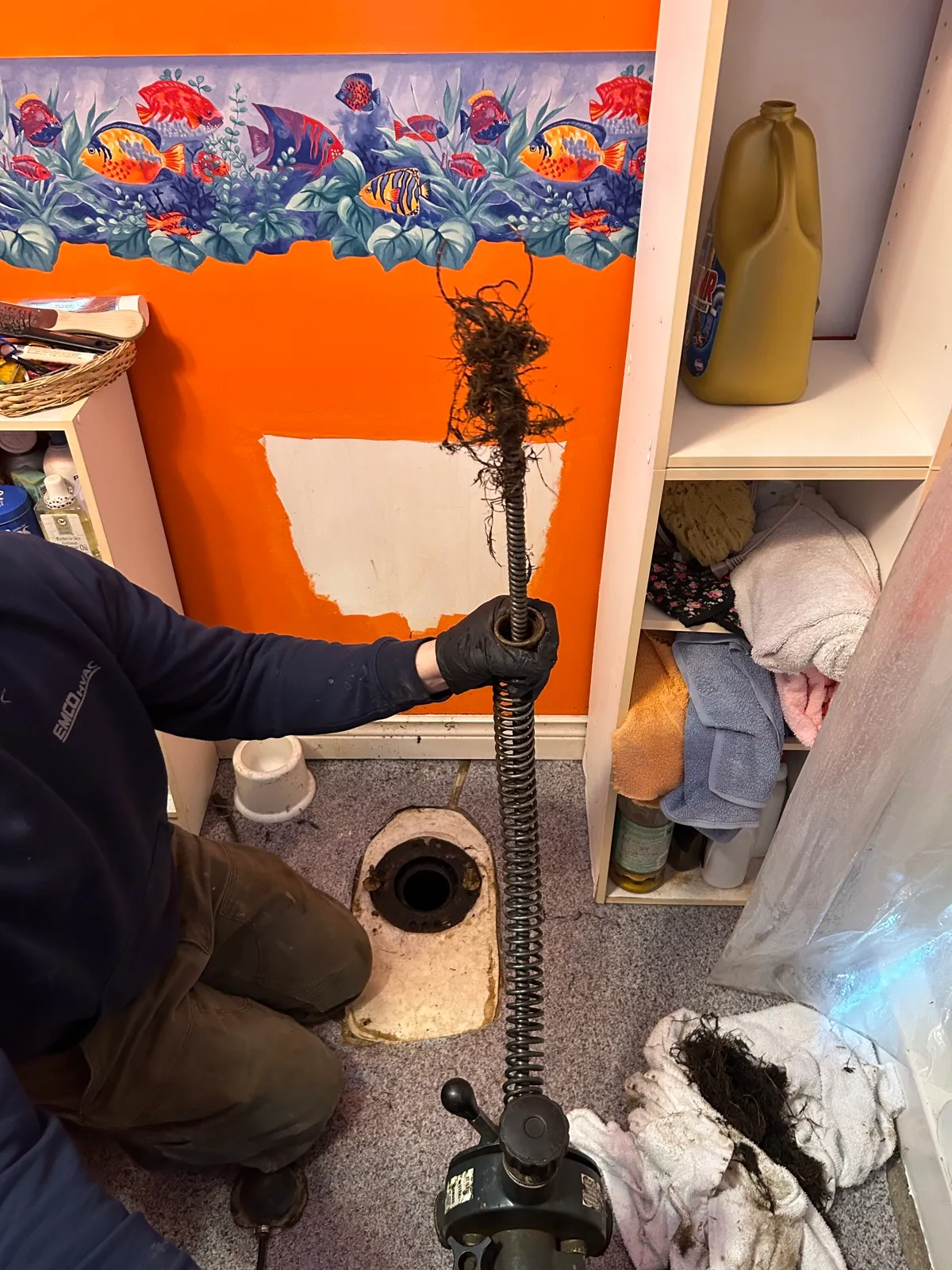
The first assessment
Describe which fixtures are affected and what triggers the backup. Share previous reports and any chemical use. The plumber needs to consider available access, line size and the likely obstruction before selecting a method.
Cable clearing and jetting
A cable machine and a water jetter work differently. Neither is automatically suitable for every line or every blockage. Ask why the proposed method fits the observed problem and whether the condition of the piping affects the choice.
Camera inspection
A camera provides a view of accessible pipe interiors when conditions allow. Dirty water or an obstruction can limit the view, so clearing may be needed first. Ask what sections were inspected and which areas could not be assessed.
Results that matter
Restored flow is useful, but it does not prove that every part of the line is defect-free. Ask the technician to explain the findings and any uncertainty.
- What material or obstruction was encountered?
- Was a defect visible, and where?
- Is further cleaning, repair or monitoring recommended?
- Is there a recording or written finding to keep?
If the symptom returns
Record how quickly it returned and whether the same fixtures are involved. Provide the previous service record when calling. That history helps decide whether the next visit should focus on further investigation.
Reference: RIDGID: drain-cleaning equipment.
Start with the goal, not a preferred machine
The first goal may be to restore flow, obtain a useful view of the pipe or investigate a recurring condition. Tell the plumber which problem you are trying to solve and what was done previously. The appropriate method depends on the observed condition, access and equipment suitability; a method name alone is not a complete service scope.
For example, an urgent backup and a planned camera review do not necessarily start in the same place. A line may need clearing before an inspection can answer a useful question. Ask what result the first stage is intended to produce and how the technician will decide whether another stage is warranted. Do not assume every appointment includes all available methods.
Understand clearing and cleaning at a practical level
Ask the technician to explain the purpose of the proposed cable or jetting work in your line. RIDGID: water-jetting equipment and intended applications describes water-jetting equipment intended for deposits such as sludge, soap and grease. That manufacturer example does not mean jetting is suitable for every pipe or that Matrix will use that particular machine.
The conversation should include the access point, the condition already known and any reason the method may be limited. Avoid requesting a particular pressure, cutting tool or aggressive treatment based on an online video. The operator must choose equipment and a safe approach for the actual job. Disclose chemical treatments before work starts, even if another occupant applied them.
Know what the inspection record can show
RIDGID: SeeSnake inspection-system operator’s manual describes equipment for viewing pipe interiors and recording information. Ask which route was inspected, where the view began, whether the full intended section was reached and what affected visibility. A useful recording should be accompanied by an explanation of relevant observations, not simply a file without context.
A visible condition and a repair recommendation are related but different. Ask which finding supports the proposed work and what remains uncertain outside the inspected area. If a blockage prevents progress or deposits obscure the view, the report should say so. Do not treat an incomplete inspection as confirmation that the unseen remainder is in good condition.
Review the result against the original problem
At handover, ask what operation was checked and whether the original symptom was resolved under the conditions tested. Separate completed clearing from recommendations for further cleaning, investigation or repair. If another visit is suggested, ask what question it is intended to answer and what access or authorization is required.
Keep the service date, method description, findings and any recording together. Describe a returning symptom using the same fixture names and timeline so a later visit can build on the first one. Normal flow afterward is a meaningful result, but it is not a guarantee against future blockages. A clear service record makes that limit understandable without dismissing the value of the work completed.
References
- RIDGID: water-jetting equipment and intended applications
- RIDGID: SeeSnake inspection-system operator’s manual
Your next step
Book routine service or call 506.696.7000. For planned installation work, request an estimate.
Related services
Drain Cleaning · High-pressure water jetting · Sewer Camera Inspection