Updated
A new toilet has to fit the room and the drain connection beneath it. The visible fixture is only part of the job. Confirm the model and the existing conditions before assuming a replacement will be a simple swap.
Need help with your property? Request an estimate.
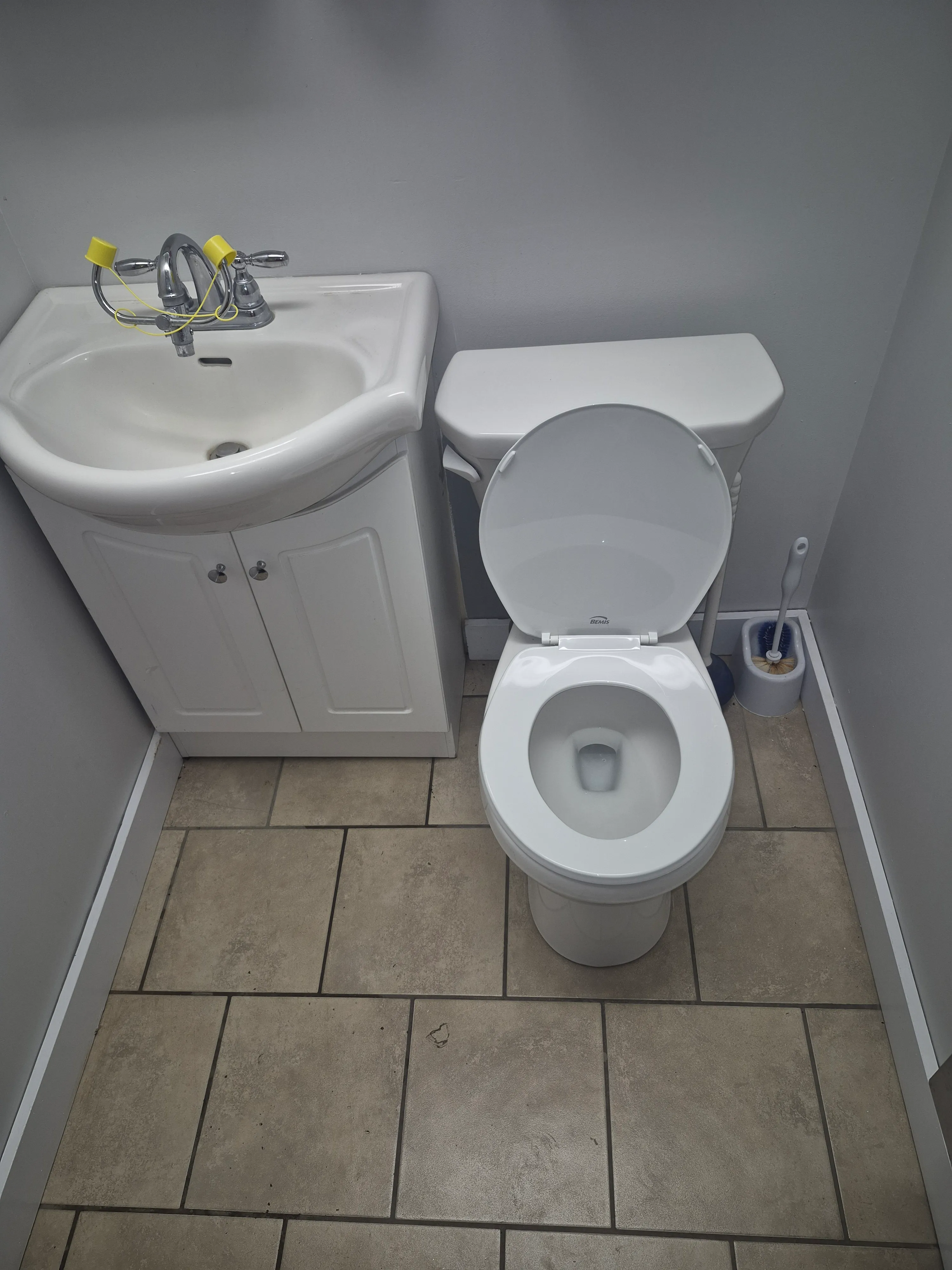
Check the fit before ordering
Provide the proposed model and photos of the existing toilet and surrounding space. Bowl shape, door movement, cabinet clearance and the drain rough-in can affect the choice. Ask the installer to confirm compatibility rather than relying on appearance alone.
Allow for what is under the old toilet
The flange connects the toilet to the drain and helps secure the installation. Its height and condition may only be clear once the old fixture is removed. Loose anchoring or moisture-damaged flooring can add work that is not part of fitting a new bowl.
- Who supplies the toilet and connection materials?
- Who removes and disposes of the old fixture?
- How will flange or shutoff repairs be approved?
- Who handles floor repairs if damage is found?
Coordinate a renovation
If the toilet is moving, review drainage and layout before the floor and walls are finished. A replacement in the same position and a relocated fixture are different scopes. Tell the plumber whether another trade will be changing the finished floor height.
Check and keep the record
At completion, ask about the operating and leak checks performed. Keep the model and installation information for future parts. Report rocking, moisture around the base or unusual refill behaviour promptly rather than tightening fittings or bolts yourself.
Compare the complete fixture specification
Choose the exact toilet model before treating the installation as defined. Floor-mounted and wall-hung designs are different projects, and two fixtures that look similar can have different connection or space requirements. KOHLER: toilet selection and fit describes rough-in and overall fit as selection considerations. Ask the installer to check the manufacturer's dimensions against the actual finished room; do not assume one nominal measurement guarantees compatibility.
Consider the people using the bathroom as well as the drawing. Door movement, access beside the bowl, seat selection and nearby cabinets affect everyday use. If accessibility is a project requirement, describe the user's needs and have the layout assessed rather than choosing a product based only on a marketing label. Keep those decisions in the scope given to every contractor.
Plan for the difference between known and concealed work
Accessible photographs can show the room, supply location and visible condition. They cannot establish the condition of the flange or the floor beneath the old fixture. Ask the contractor to identify the assumed starting condition and the process if removal exposes damage. A clear contingency process is more useful than a promise that every replacement will take the same amount of work.
Where flooring is being replaced, agree on the finished-floor plan before final connection. The plumbing and flooring trades need a shared sequence. Clarify whether floor repairs, painting or replacement trim are included, separately priced or handled by someone else. Do not cover a moisture problem just to make installation day fit the schedule.
Make delivery and interruption part of the plan
If you are supplying the fixture, confirm which components come in the box and who checks the delivery for damage or missing parts. Share the specification sheet, not just the store description. Ask where the fixture should be stored safely, who moves it into position and what happens if the supplied product cannot be installed as expected.
Tell the office whether this is the property's only toilet. Ask about the expected interruption and what needs to be ready before the existing fixture is removed. A selected appointment time is not a reason to begin demolition yourself. Keep occupants informed and arrange any required building access or water-isolation permission in advance.
Review normal operation without attempting adjustments
At completion, ask which operating and leak checks were performed and how to report a concern. EPA WaterSense: home maintenance notes that toilets can develop leaks that are not obvious on the floor. Unexplained refilling, a changed flushing pattern or moisture should be described to the service provider rather than ignored because the fixture is new.
Keep the exact model, installation date and supplied care information. Ask which cleaners and owner tasks the manufacturer permits. Do not tighten floor bolts, dismantle connections or force a shutoff to correct rocking or leakage. Report the symptom, whether it occurs after flushing or continuously, and any visible change. Those details help determine the appropriate follow-up without risking damage to the fixture or connection.
References
Your next step
Request an estimate with the location, scope and timing, or call 506.696.7000 to discuss the project.
Related services
Toilets · Kitchen & Bathroom Renovation Plumbing