Updated
A plumbing service visit usually has three parts: understanding the symptom, agreeing on the work and checking the result. The visit runs more smoothly when the technician can reach the equipment and the person approving the repair is available.
Need help with your property? Book routine service.
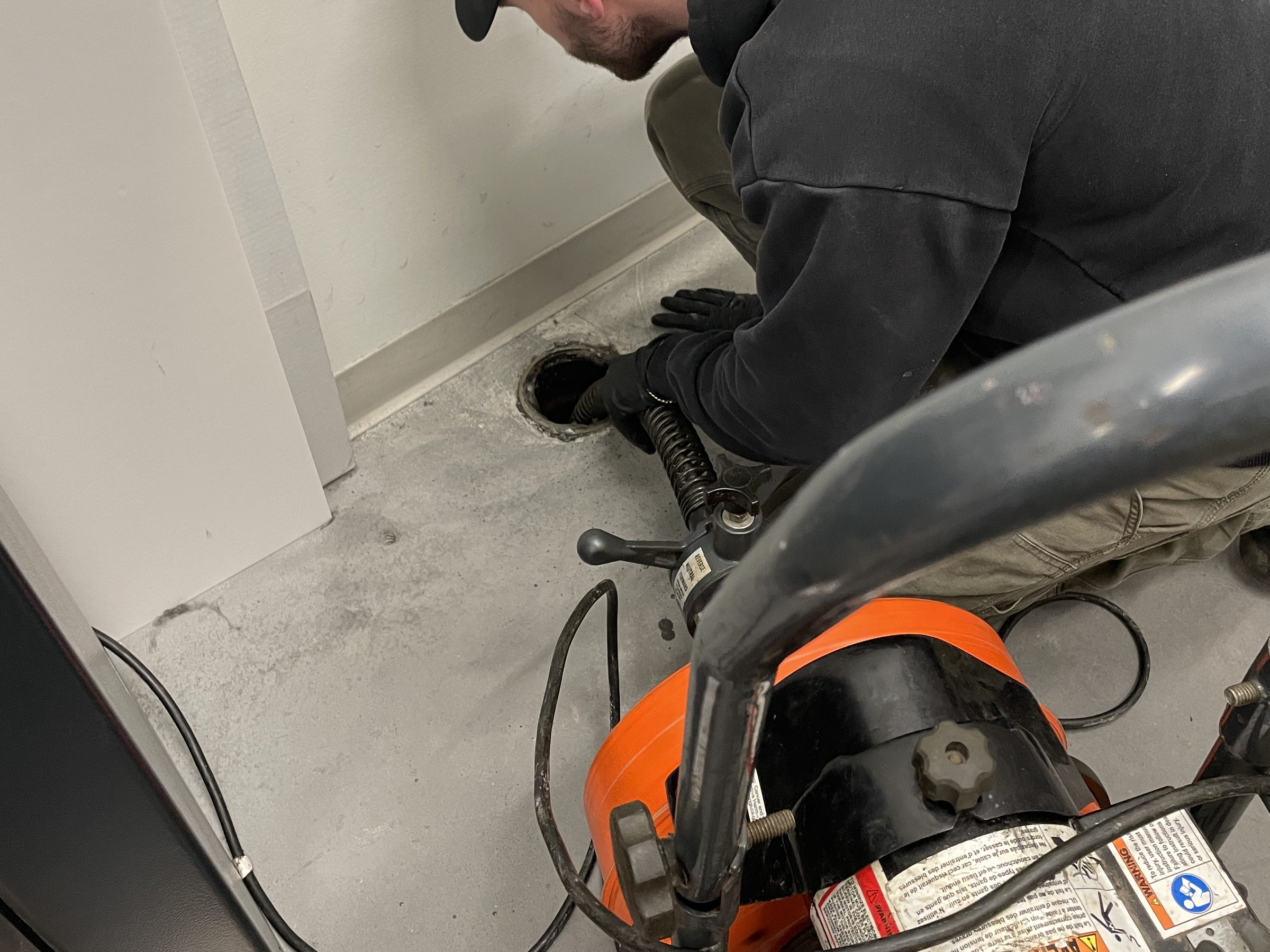
Before the technician arrives
Clear stored items from the work area without disturbing leaking connections. Arrange building access, secure pets and explain any restrictions on shutting off the water. If you are a tenant or property manager, confirm who can authorize repairs.
- Send accessible photos and the fixture or equipment model.
- Describe when the symptom started and whether it is intermittent.
- List previous repairs and any drain products already used.
During the assessment
Show where the problem appears and explain the sequence. “It leaks only while the dishwasher drains” is more useful than guessing which fitting has failed. Diagnosis may reveal a repair different from the one expected when the appointment was made.
Before the scope changes
Ask what the proposed repair includes, whether parts are available and whether a return visit is needed. Clarify any additional access, disposal or finishing work. If a concealed condition changes the job, agree on the revised scope and price arrangements before proceeding.
At handover
Review what was repaired, what was checked and anything still outstanding. Keep the invoice, model information and recommendations. If a symptom returns, note whether it is the same as before, when it appeared and what was happening at the time; those details help the office arrange useful follow-up.
Prepare a symptom record rather than a diagnosis
Describe the sequence that leads to the problem: which fixture is used, where the symptom appears and whether it happens every time. If it is intermittent, note what was different on the days it occurred. A short video taken from a dry, safe location can be useful, but do not create an overflow or operate damaged equipment to obtain one.
Distinguish what you know from what you suspect. “The cabinet gets wet after the sink is emptied” is an observation; “the drain pipe must be cracked” is a possible explanation. Bring both to the conversation, but leave room for assessment. Include prior invoices and whether the symptom changed after earlier repairs. That history helps prevent a repeat visit from starting with an incomplete picture.
Understand the assessment and authorization checkpoint
A service call can involve locating the source before the repair can be defined. Ask what the initial authorization covers and how the technician will contact you if the proposed work changes. Government of Canada: planning renovations and written agreements emphasizes clear written descriptions and agreements for renovation work; the same clarity is useful when a repair grows into a larger project.
Keep your phone available if you cannot stay on site. Identify who has authority to approve work and any limits they need to discuss with the office. Do not rely on a message passed through a neighbour or another contractor as a substitute for a clear approval arrangement. If further access is needed, ask what opening is proposed and who will handle restoration.
Allow the visit to follow the evidence
Several concerns may need different investigations. A running toilet, low flow at one faucet and a slow main drain should not be assumed to have one cause. Prioritize the active problem and ask which additional items can reasonably be reviewed during the visit. Equipment, parts and the agreed appointment scope may affect what can be completed.
EPA WaterSense: home maintenance identifies both visible moisture and less obvious fixture leaks as reasons for attention. A technician may need to observe operation under suitable conditions rather than relying only on the absence of a puddle. Explain any restrictions on water use, tenant access or appliance operation before those checks are planned. There is no benefit in testing that creates another hazard or exceeds what was authorized.
Leave with a useful service record
At handover, ask the technician to separate the confirmed fault, work completed and recommendations. Record which result was checked and whether any areas were inaccessible. If a repair restores service but a broader condition remains uncertain, make sure the follow-up is clear rather than assuming the whole system has been inspected.
Keep the report with the fixture model and any supplied instructions. Ask who to contact if the same symptom returns, what information to provide and whether an item remains out of use. A follow-up call should describe what has happened since the visit, including new symptoms. It should not require you to dismantle the repair or prove a cause before the office can understand the concern.
References
Your next step
Book routine service or call 506.696.7000. For planned installation work, request an estimate.
Related services
Plumbing · Plumbing System Inspections